
Most programs teach one approach. We teach the whole landscape.
Systems thinking is a family of approaches, not a single method. Each one came from a different discipline, and each is good at a different kind of problem, so the skill is knowing which one fits your work.
We introduce the whole landscape, work through where each approach fits, and most importantly we adapt them to the local context: the culture, values, and heritage of the Kingdom.
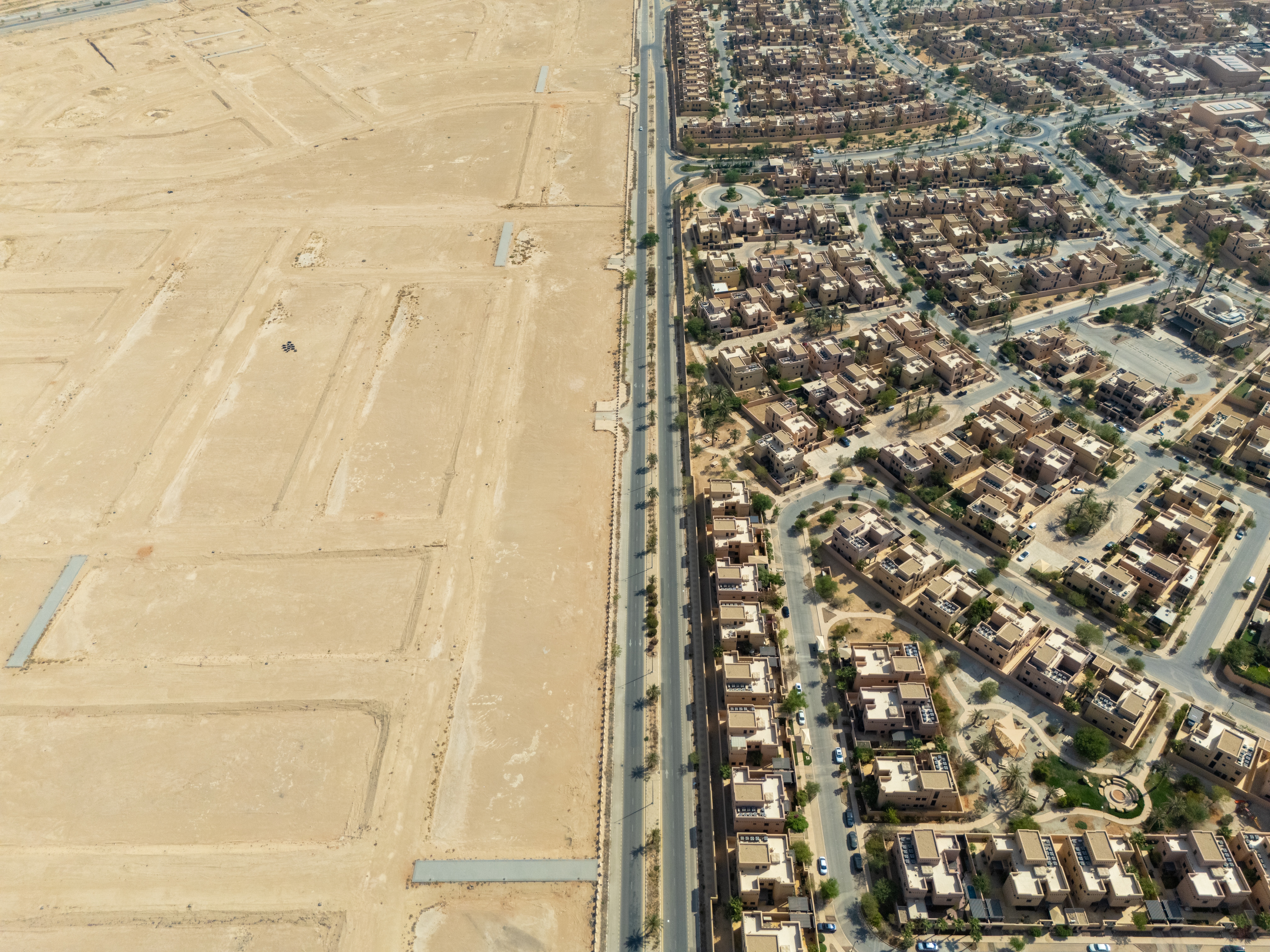
Building a Systems Thinking Community in the Kingdom
A program to introduce systems thinking, connect it to Saudi Arabia's national transformation, and build a learning community around it.

There is a growing need to develop the local capabilities to manage and lead ecosystem initiatives that address complex, interconnected challenges in the Kingdom. This is especially true as Vision 2030 enters the final phases. However, many tools and approaches that are brought in from outside the region often fail to make a meaningful impact.
This program is not a way to re-create the Western approach to systems thinking. Rather, this course is the first entry to develop the foundational skills in systems thinking and initiate a learning journey to develop Saudi’s own approach to systems thinking rooted in its context.
Mindsets — Develop a basic understanding of the foundational mindset(s) required for systems thinking and learn exercises to practise those mindsets to help take a systems approach when required.
Tools — Become familiar with tools to frame, listen, and understand the system on major projects and ecosystem initiatives, with the opportunity to go further in future courses.
Map of the systems thinking landscape — Gain an overview of the main systems approaches that have been developed and used globally, and resources to help navigate the landscape and decide which approaches are most relevant to their own learning journey.
Consultants — mid to senior-level innovation consultants, strategists, design leaders and transformation advisors.
Government staff — mid to senior-level staff working on ecosystem projects across all sectors: government, housing, energy, transit, infrastructure, logistics and social services.
Those who have taken design thinking courses and want to advance those skills further into systems-level work.
Program leaders and policy teams working inside Vision 2030 initiatives.
Academics, educators, and leaders of NGOs and social-impact organizations.
Hands-on activities and worksheets prepared in advance.
Use of local Saudi case studies to learn systems thinking tools.
Two-way learning for discussions and ways to adapt global systems thinking approaches to the Saudi context.
Two-day course held in person in Riyadh, for cohorts 1 and 2.
Hands-on coaching / office hours available in person or online during the days after the course.
After completion, gain access to the Saudi Systems Learning Community to continue the learning journey and participate in monthly activities: talks, lectures, case studies, readings, courses.
A certificate of completion on finishing the course.
Dual English and Arabic. Materials are written in English, but facilitation and discussions can be in Arabic throughout.
Each cohort has a maximum of 20 spots.
Designed to allow more time with instructors, smaller group sizes and deeper learning, and greater customization.
to follow
to follow
Information webinars
If you're unsure whether the course is right for you, or you'd just like to learn more about the program, we run informational webinars in both Arabic and English. Dates for the next sessions will be announced soon.
A Saudi systems community, learning from the world and adapting it here.
The course is a beginning, not an end. Alongside it we are growing a community that keeps learning together: connecting with systems communities around the world, then bringing what they find back to be tested, argued over, and adapted for how things work here.
No one adapts a practice to a place on their own. We are doing it collectively, in the open, with everyone who joins.
{{ g.title }}
{{ g.desc }}
We develop customized training around your live project and challenge.
If your team is interested in using systems thinking for a particular challenge, but doesn't know where to start, that's where we can help. We develop customized training programs built around your project, challenge, and real constraints.
{{ f.title }}: {{ f.desc }}
Let's discuss how you can learn systems thinking.
Let's have a conversation about which learning approach would suit you the best. We're happy to build our programming around your needs.
Start a conversation →